Fumes vs. Vapors: What’s Actually Happening When Lash Adhesive Cures

If you’ve ever wondered why clients sometimes feel a sting, burning, or watering during a lash appointment, it always comes back to what the adhesive releases while it cures.
Most lash artists say “fumes,” but scientifically, what’s happening is a two-step process involving vapors first, which can then turn into fumes. This post breaks down the real chemistry in a simple, lash-artist–friendly way.
Fumes vs. Vapors: What’s the Technical Difference?
Vapors — The First Thing Released
Vapors are the gas form of the liquid monomer (cyanoacrylate).
As soon as adhesive is exposed to air, some of the liquid evaporates. These vapors are what travel toward the client’s eye area and cause the initial irritation or smell.
- Scientifically correct term
- This is what the client first encounters
Fumes — Formed After Vapors React
In strict industrial terms, “fumes” are tiny solid particles created after vapor reacts and condenses. Cyanoacrylate does produce these particles, but not instantly.
When CA vapors reach moisture (humidity, tears, or surfaces), they:
- React
- Rapidly polymerize
- Become tiny solid particles known as fumes
This same reaction is used in forensic identification, called “cyanoacrylate fuming.”
- Yes, cyanoacrylate can produce fumes
- But they occur after vapor reacts
What Happens When Lash Adhesive Cures (The Real Chemistry)
Cyanoacrylate doesn’t dry — it polymerizes.
-
Liquid adhesive (monomer) is applied
In this state, it is highly reactive. -
Moisture triggers polymerization
Even tiny amounts of water start the reaction. -
Adhesive cures into a solid polymer
This happens rapidly at the lash bond. -
Vapors are released during curing
These vapors cause the smell and initial irritation. -
Vapors react with moisture and become fumes
Once vapors leave the bond and hit moisture elsewhere, they turn into solid particles.
The uncured stage is the most chemically active, not the cured adhesive.
What Actually Causes Burning or Stinging?
The irritation clients feel during lash application does not come from “fumes,” even though that’s the term the beauty industry uses.
The irritation is caused by cyanoacrylate vapors — not fumes.
Here’s what’s happening:
- Adhesive releases vapors during curing.
- If the client’s eyes are slightly open, vapors drift toward the eye.
- The eye surface is extremely moist.
- When vapors hit that moisture, they react instantly, causing burning or stinging.
In short:
- Vapors = cause of irritation
- Fumes = particles formed after vapor reacts
- Irritation happens when vapors touch the moist eye surface
Why Some Clients Experience More Irritation
Several factors increase vapor exposure:
-
Eyes slightly open
Even a tiny gap allows vapors to hit the eye. -
High humidity
Speeds up curing and intensifies vapor–moisture interaction. -
Poor ventilation
Vapors linger instead of dispersing. -
Fast-curing or incompatible adhesives
More reactive formulas release more vapors.
How to Reduce Irritation for Clients
- Ensure eyes stay fully closed
- Adjust humidity to your adhesive
- Improve room airflow
- Use the right adhesive for your environment
- Keep the adhesive dot farther from the client
- Work deliberately with placement and curing
Small changes can dramatically reduce vapor exposure.
Where UV Lash Adhesives Fit In
UV-cured adhesives behave differently from moisture-cured formulas.
Traditional Adhesives
- Cure with moisture
- Release monomer vapors throughout curing
- Can irritate sensitive eyes
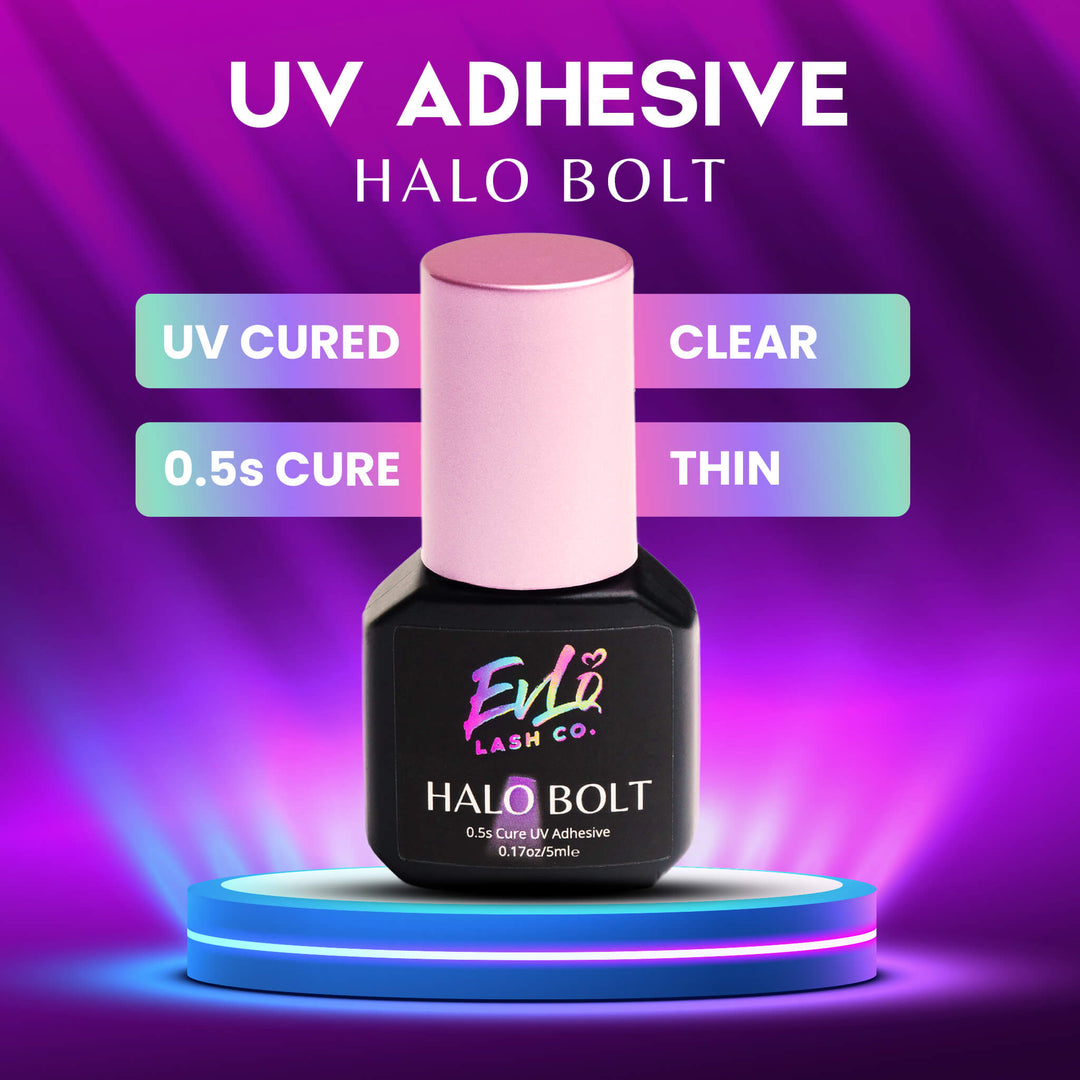
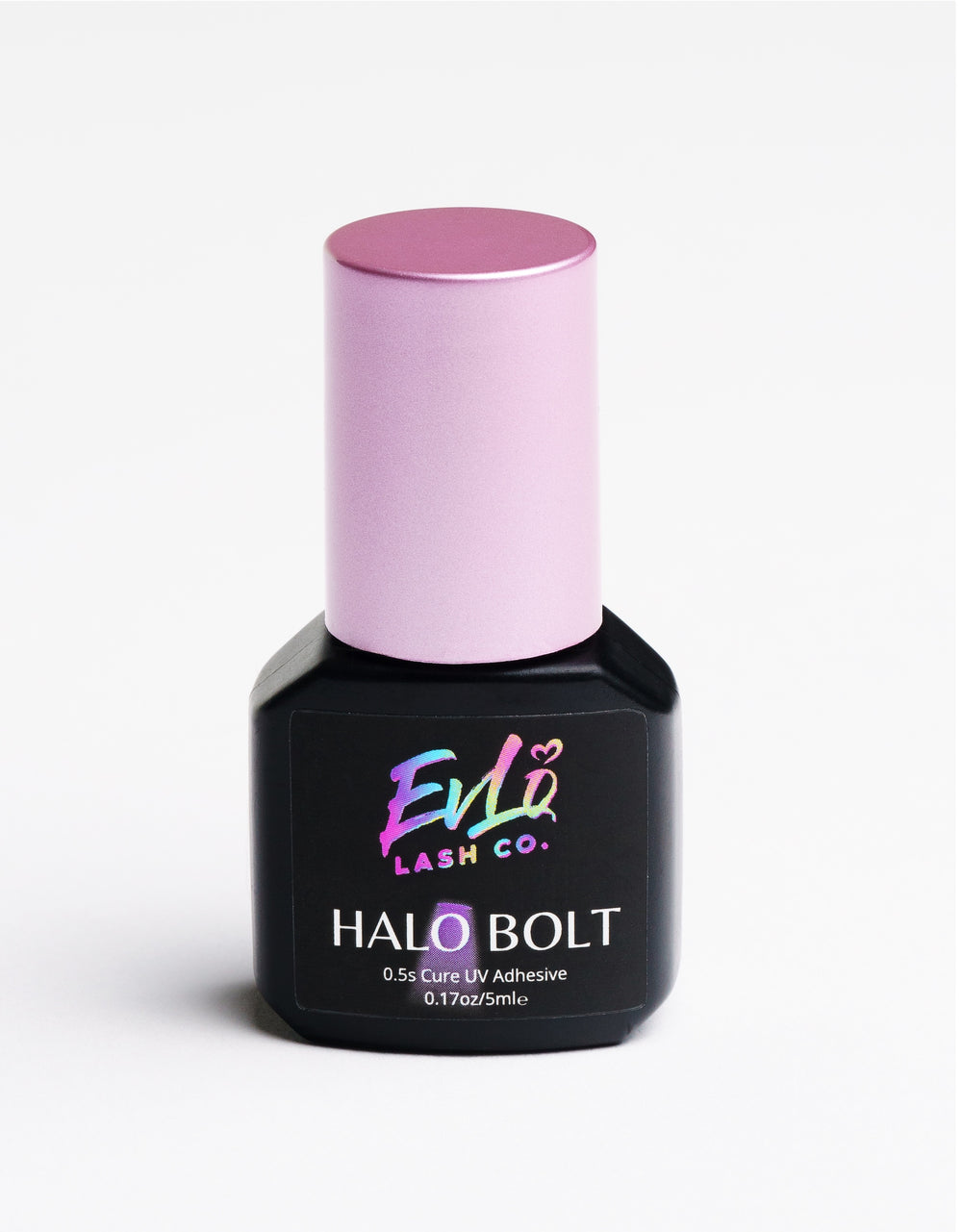
UV Adhesives (Halo Bolt, Halo Onyx)
- Cure instantly under UV light
- Don’t rely on humidity
- Can reduce the amount and duration of vapor release
- Often cause less odor and sensitivity
They still use cyanoacrylate, but rapid, controlled curing means fewer vapors reach the eye.
About the Our Photoinitiator
EvLo Lash Co uses a photoinitiator that:
- Has a more favorable safety profile than older photoinitiators like TPO and BAPO
- Enables efficient, fast curing
- Reduces unnecessary chemical exposure
Final Thoughts
Is it fumes or vapors?
- Both — but they occur at different stages
- Vapors cause eye irritation
- Fumes form only after vapors react with moisture
By understanding the real chemistry behind adhesive curing, lash artists can reduce client sensitivity, improve safety, and speak confidently about adhesive science.


Deixe um comentário